Weed control
Broadleaf weeds, grassy weeds, and curb-edge patches often need different timing than a general “spray the yard” approach. Tell us where weeds are thickest and what the lawn looks like around them.

OKC Lawn Rx
Weed control and fertilization for Oklahoma County lawns in Choctaw, Midwest City, Del City, Newalla, and nearby yards. For lawn treatment in Oklahoma City, start on the southeast and eastern side. Share the street address and what the lawn is doing. We confirm the price after we see the yard.
Lawn treatment in Oklahoma City. Start with the address.
A street address and a phone number are enough to start. We’ll check whether the property may fit, then follow up to talk through the work. Nothing is booked until you agree.
Licensed and insuredWeed control and fertilization for Oklahoma County homeowners.
Six visits a yearThree visits for weed control and pre-emergent. Three visits for fertilizing and spot weed treatment.
Talk to a personCall or text 405-526-4481. Address and phone are enough to start. Nothing is booked until you agree.
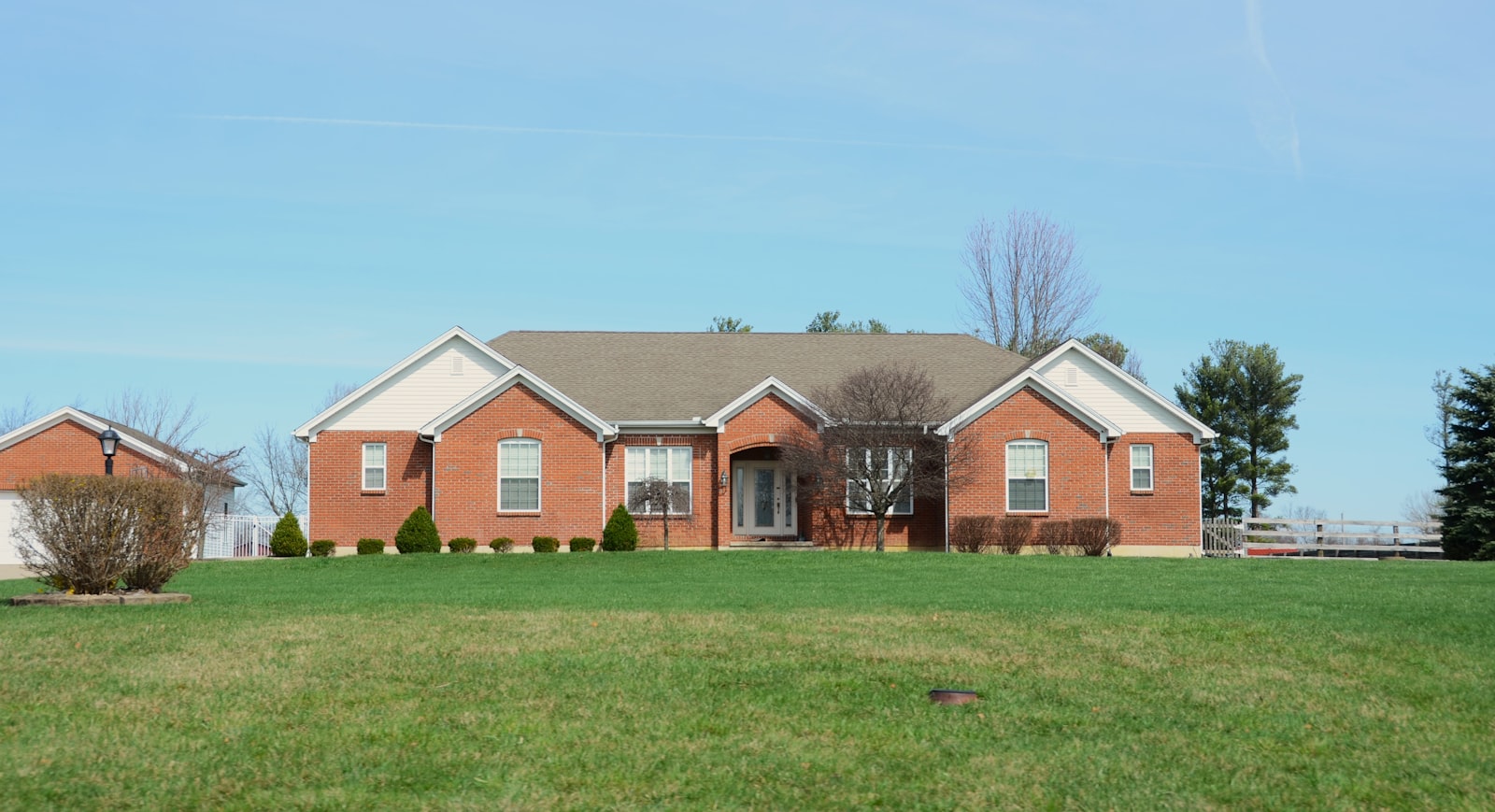
Real yard problems in this corridor—not stock “perfect lawn” marketing. Share what you see; you do not need a diagnosis first.
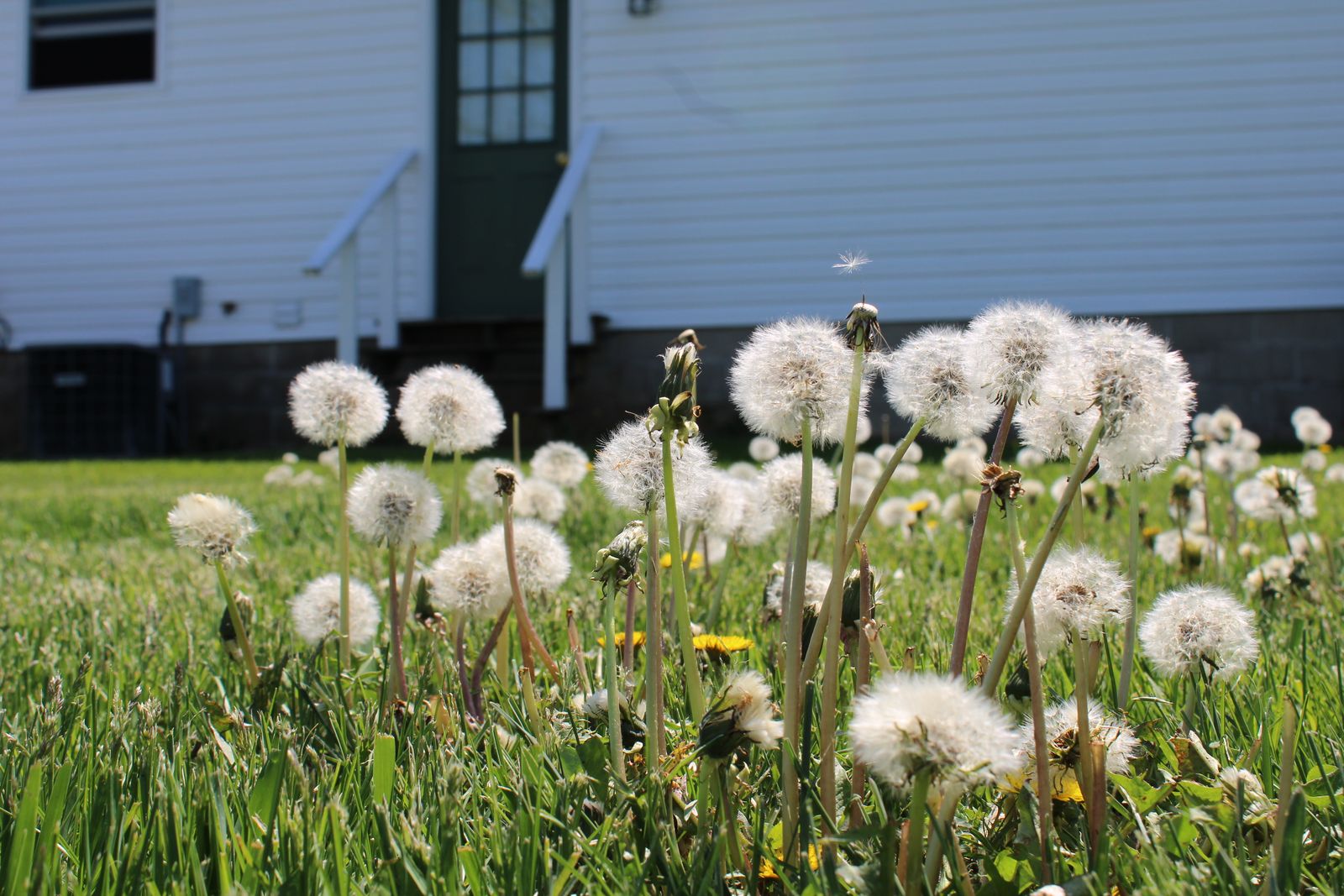
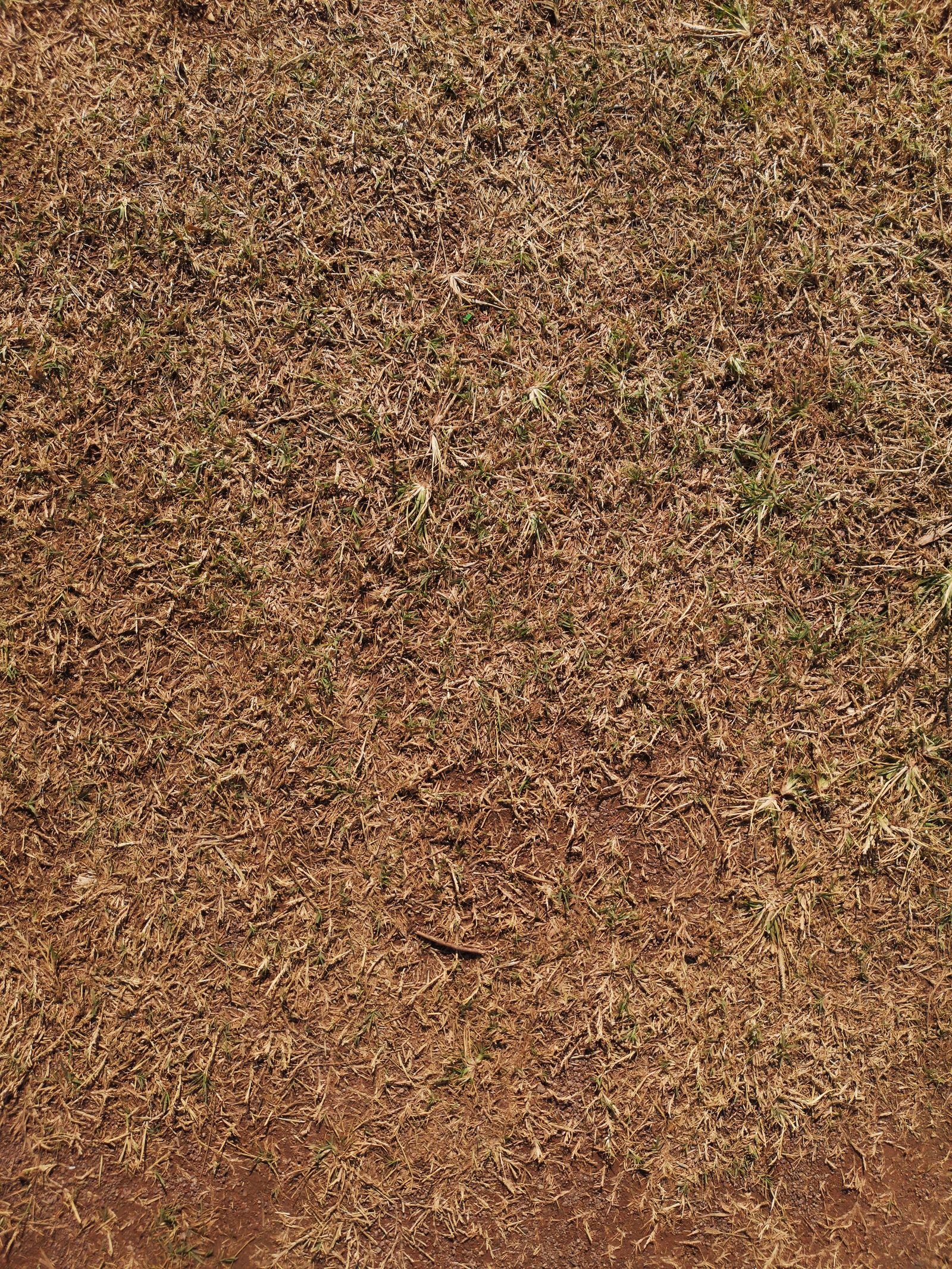
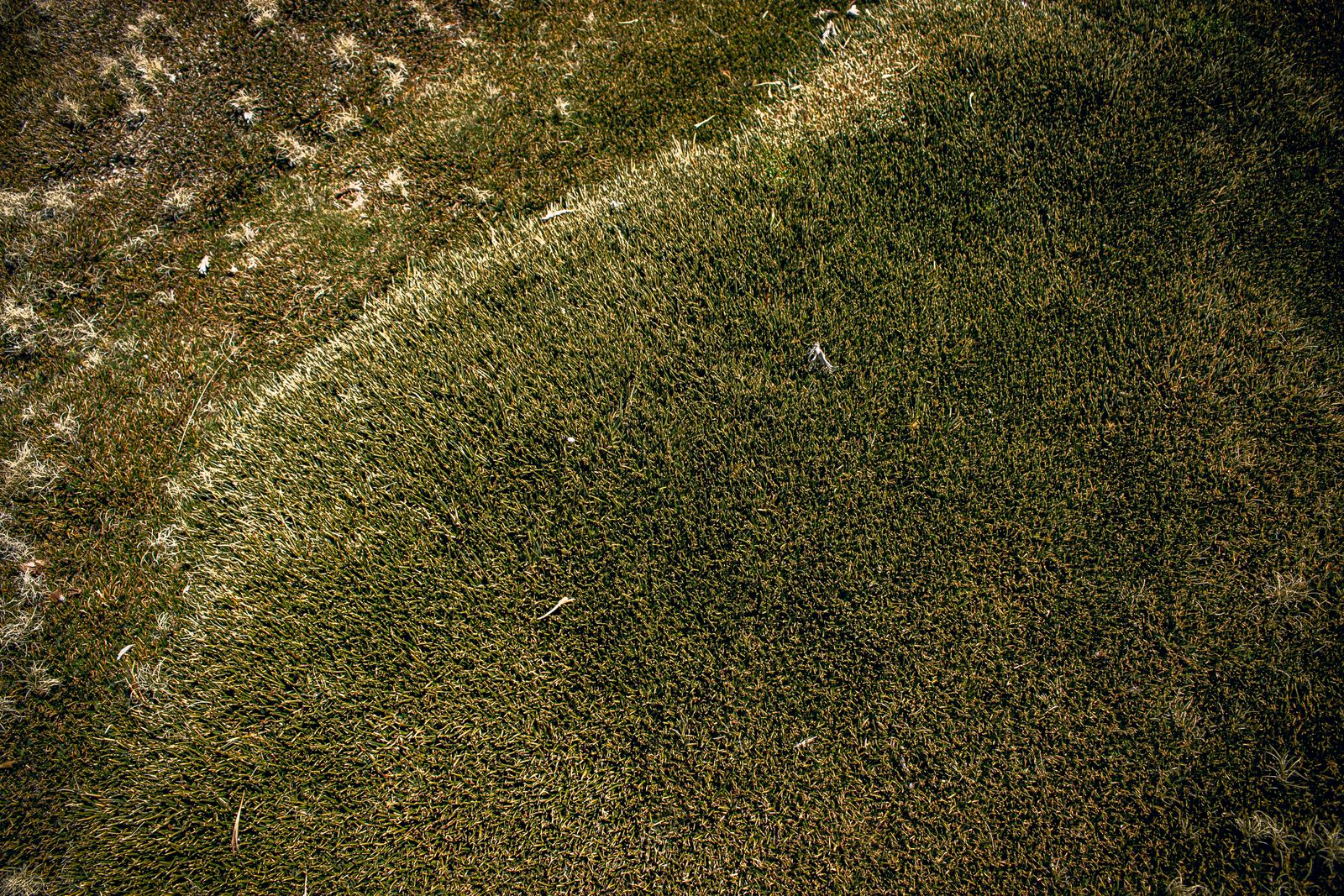
Short clips from Oklahoma County yards. Play them here — no need to leave the page.
Follow us on Facebook for more tips.
OKC Lawn Rx is weed control and fertilization for eastern and southeast Oklahoma County. We talk through what you are seeing—weed lines at concrete, pale turf after heat, or thin shade grass—then follow up about the work that fits this property. Nothing is booked until you agree.
Hire pages for the city searches: lawn treatment in Oklahoma City, lawn care in Midwest City, and Choctaw lawn treatment.
Stay off the grass until it is dry. After fertilizing, water within 24–48 hours if you can, and do not mow until the fertilizer has been watered in.
Yards that are new to spray usually need more than one treatment. Heavy weeds can take a full season. On a full treatment plan, we will come by to spot spray between regular visits if needed — call 405-526-4481.
These are typical local per-visit ranges, not a locked price list. A small lawn is about a $50 minimum. About a half acre is about $135–$150. About one acre is about $225–$250. Harder yards cost more. Easier multi-acre yards can be less per acre. We confirm the final price after we see the property.
About $50 minimum
About $135–$150
About $225–$250
Pale Bermuda in full sun, fescue thinning beneath trees, a weed line at concrete, and bare clay after runoff are four different clues. Note the grass type if known, the exact part of the yard, and when the change began. Those details help us talk about weed control and fertilization without guessing from the porch.
These are the facts that change a weed control or fertilization talk. Unknown stays unknown. This is not a product chart and not a watering or re-entry rule sheet — we confirm timing after we see the yard.
| What you tell us | What we must check | What may change timing | What treatment cannot fix |
|---|---|---|---|
| Grass type, or unknown | Whether the lawn looks like Bermuda, fescue, or a mix once we can see it. Unknown stays unknown until then. | Bermuda and fescue do not recover on the same calendar. A mixed yard can need different expectations on one address. | A feed or weed visit cannot turn shade grass into a sunny Bermuda lawn. |
| Active growth vs dormancy | Whether the turf is greening and growing, or still tan and slow. | Dormant or barely moving grass is often a wait — not a reason to force a feed. | Fertilizer cannot wake turf that is not in a growing window. |
| Drought stress | Whether the pale area follows heat, a watering gap, or the whole lawn fading together. | A dry, surviving lawn may need water conversation before a product talk. | Weed control and fertilization cannot replace missing water. |
| Recent rain or saturated ground | Whether clay is still soft, puddled, or already baking after the storm. | Standing water or sealed wet clay is a reason to wait, not to spray through it. | A visit cannot drain a bowl or rewrite how that clay holds water. |
| A product you already applied | What you used, about when, and whether the lawn changed afterward. If you do not remember, say so. | A recent store product can push the next honest window. We do not stack guesses. | We cannot undo a product already on the lawn, and we will not invent a re-entry clock from this page. |
| Planned seeding | Whether you still have living turf, bare clay, or a seed plan someone else will run. | Seed work and spray timing can conflict. We currently do not sell overseeding. | Fertilizer cannot invent grass where none remains. Aeration and overseeding are not offered here. |
Hire pages for the same talk: lawn treatment in Oklahoma City, lawn care in Midwest City, and Choctaw lawn treatment. Street-heat notes stay on the southeast and eastern OKC corridor page.
Call or text OKC Lawn Rx at 405-526-4481. The hire page for that search is lawn treatment in Oklahoma City. We treat weeds and feed maintained residential lawns on the southeast and eastern side—not a citywide spray list.
Share the street address so we can confirm fit. Nothing is booked until you agree.
Yes—if lawn care means weed control and fertilization on a maintained Midwest City lawn. Start on lawn care in Midwest City. It is not weekly mowing, aeration, or overseeding.
Call or text 405-526-4481 or send the street address. Nothing is booked until you agree.
Call or text OKC Lawn Rx at 405-526-4481. The hire page for that search is Choctaw lawn treatment. We treat weeds and feed maintained residential lawns in Choctaw—not weekly mowing.
Share the street address so we can confirm fit. Nothing is booked until you agree.
Yes—for maintained residential turf up to about 4 acres. That is larger than many local spray routes are set up to handle. Total deed acreage is not the same as treatable lawn: woods, pasture, ponds, and rough ground usually sit outside the request.
Tell us roughly how much lawn you mow and want treated, plus access notes (gates, soft ground, parked vehicles). We confirm fit from the address and the maintained area—not from acreage alone.
Summer stress, uneven watering, compacted clay, curb heat, insects, and mowing height can all thin Bermuda even when the rest of the yard looks fine. The shape and timing of the thin area matter more than guessing one cause from the porch.
Note whether the thin spots follow a sprinkler pattern, a hot curb, shade, or foot traffic, and whether the turf feels dry, soft, or loose. We can talk through what usually recovers with feeding and weed work versus what needs watering changes or a closer look before anything is applied.
Broadleaf weeds usually stand out with wider leaves, flowers, or a different look from the lawn. Grassy weeds can blend into Bermuda or fescue until their color, growth habit, or seedhead gives them away after mowing.
Describe leaf shape, whether it returns right after cutting, and whether it sits in wet ground, bare soil, or a sunny edge. You do not need the exact name first. We use those clues to talk about timing and whether prevention or active weed control fits the yard this season.
A full treatment plan is 6 visits a year. Three visits are weed control and pre-emergent. Three visits are fertilizing plus spot weed treatment. Fertilizer is not on every visit.
Bermuda and fescue also recover on different calendars, so a mixed yard can need different expectations across the same address. We confirm the plan after we see this lawn.
Aeration can help when soil stays hard, water runs off, or traffic paths stay thin. Overseeding can help when you need more living grass, not only more fertilizer on bare clay. They can be paired, but one does not automatically require the other.
We do not currently sell aeration or overseeding. Right now we offer weed control and fertilization. Tell us whether the ground feels compacted and whether you have Bermuda, fescue, or both so we can talk through what the lawn is doing.
Watch for irregular thinning, turf that lifts easily, fresh damage that spreads, visible insects or larvae, and animals or birds working one area hard. Heat and poor watering can look similar, so location and timing help separate the story.
Photograph the whole area and a close-up before mowing if you can. Note when it started and whether the grass feels dry or loose. Preserve those clues rather than blanketing a product first; we can decide what deserves a closer look.
Yes. A full treatment plan is 6 visits a year: 3 visits for weed control and pre-emergent, and 3 visits for fertilizing plus spot weed treatment. Thin turf leaves room for weeds, while feeding alone will not clean up an established weed patch.
Say where weeds are thickest, where the lawn is pale or thin, and what you already applied. Yards that are new to spray usually need more than one treatment. Heavy weeds can take a full season.
We do not advertise a grub program. Right now we offer weed control and fertilization. Turf that lifts easily, birds or animals working one patch, or irregular thinning after summer heat can look like grubs, but heat and watering can look similar.
Share the address, when it started, and whether the grass pulls up. Nothing is booked until you agree.
These are typical local per-visit ranges, not a locked price list. A small lawn is about a $50 minimum. About a half acre is about $135–$150. About one acre is about $225–$250.
Harder yards cost more. Easier multi-acre yards can be less per acre. We confirm the final price after we see the property. Nothing is booked until you agree.
Stay off the grass until it is dry. After fertilizing, water within 24–48 hours if you can, and do not mow until the fertilizer has been watered in.
On a full treatment plan, call 405-526-4481 if something pops up between regular visits and we can come by to spot spray.
Yes. We are licensed and insured. Share the street address and a phone number to start. Call or text 405-526-4481. Nothing is booked until you agree.
In eastern Oklahoma County, spring weed talk often starts with crabgrass and other summer annuals before they germinate—not after the lawn is already weedy. Many public lawn calendars use soil temperature (often discussed around the mid-50s °F) as the cue for a pre-emergent window. That is a timing clue, not a booked date for every yard. If that is your city, see Choctaw lawn treatment, lawn care in Midwest City, or lawn treatment in Oklahoma City.
Bermuda feeding usually belongs after the grass is actively greening, not while it is still tan and dormant. Fescue follows a cooler calendar and can struggle if it is pushed during Oklahoma heat. Tell us the grass type if you know it, what you already applied, and whether weeds or pale turf is the bigger problem. We talk through weed control and fertilization for this address; nothing is booked until you agree.
We treat lawns across eastern Oklahoma County. Hire pages for the city searches: lawn treatment in Oklahoma City, lawn care in Midwest City, and Choctaw lawn treatment. The southeast and eastern OKC corridor page is on the same route. Call or text 405-526-4481. Share the street address—nothing is booked until you agree.
Ready to talk about weeds, thin turf, or bare spots? Share the property address and what the lawn is doing. We’ll follow up about options—nothing is booked until you agree.
Request lawn helpPlanning the budget? See what changes lawn-treatment scope before requesting a property-specific price.
Lawn treatment costStart with the address
Share the street address and a phone number. We will follow up about weed control and fertilization. Nothing is booked until you agree.
What we need: phone and full street address. A name and a short note about the lawn help. Submitting does not schedule an application.
Form didn’t load? Call us at 405-526-4481.
Or call/text 405-526-4481. Submitting does not book anything.