Small lawn
About $50 minimum

OKC Lawn Rx
Call or text 405-526-4481. Lawn care in Midwest City here means weed control and fertilization on maintained residential lawns—not a weekly mowing crew. If the grass is yellow, pale, or thin, share the street address. Nothing is booked until you agree.
Lawn care in Midwest City? Call or text 405-526-4481.
Who to call for lawn care in Midwest CityOKC Lawn Rx. Call or text 405-526-4481 for yellow, pale, or thin turf.
Eastern Oklahoma CountyChoctaw, Midwest City, Del City, Newalla, southeast/eastern OKC, Moore east of I-35, and Spencer.
Nothing is booked yetShare the address. We follow up about the work. You decide.
Tell us the Midwest City address and what the lawn is doing. We’ll check whether the property may fit, then follow up. Nothing is booked until you agree.
If you searched lawn care in Midwest City, start here. Call or text 405-526-4481 or send the street address. Lawn care on this page means weed control and feeding on maintained residential lawns—the same treatment work we already do across eastern Oklahoma County. It is not weekly mowing.
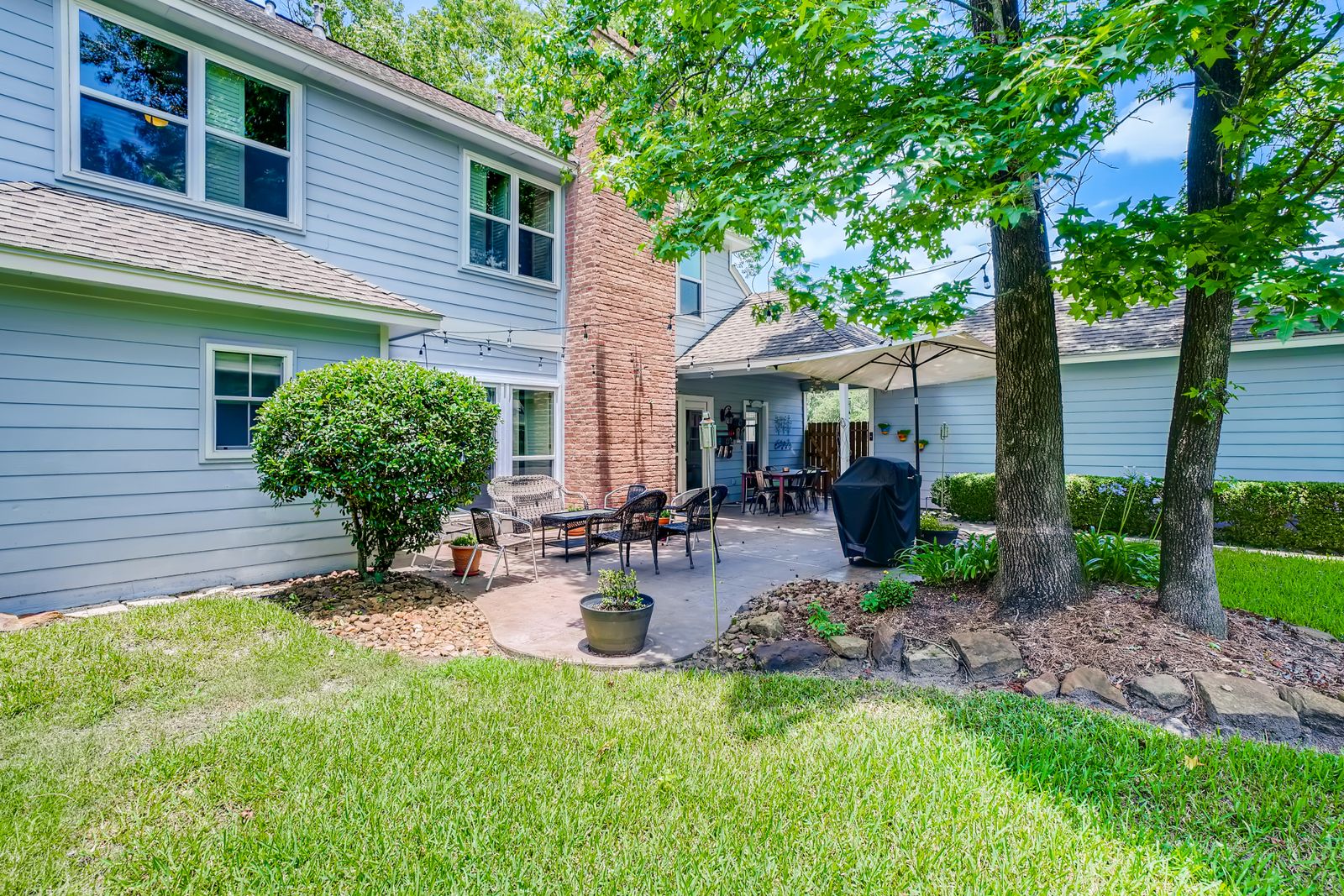
Midwest City lawns are often compact suburban lots where the street edge takes reflected heat while the back yard holds more shade, pets, or uneven watering. Front and back can look like two different lawns on one address. We look at grass type, sun, water, and the shape of the pale area before talking through the work.
The same eastern Oklahoma County route covers Choctaw lawn treatment and lawn treatment in Oklahoma City. Street-level notes for the southeast corridor are on the southeast and eastern OKC page. For what weed control and fertilization visits actually include, open those pages—or start from the OKC Lawn Rx homepage.
Strips beside pavement bake, shed water, and fade or weed out even when the middle of the lawn stays greener. Call out the edge as its own zone.
Afternoon sun on the street side and shade or traffic in the back need separate clues—not one average treatment story.
Hard clay and Oklahoma heat can thin Bermuda in patterns that look like a fertilizer miss from the porch.
A yellow curb strip that is mostly weeds, a sprinkler miss on the street side, or a compacted path from parking and foot traffic can look like a feeding miss from the porch. Fertilizer will not rebuild a weedy edge or a hard clay strip.
Call out whether the worst area follows the curb, a sprinkler arc, or the shade in back. Those clues decide whether weed control, watering, or fertilization belongs in the first talk.
Wait if the front strip is still soggy after runoff, if you just sprayed or spread something, or if pets and kids need that same compact front yard and you cannot keep them off wet product. A Midwest City lot often does not have a spare “stay off” zone the way a larger Choctaw lot might.
Tell us about access, pets, gates, and anything already applied. We confirm timing before anything is booked.
Photos from the same viewpoints help more than guessing one product for the whole lot. Submitting a request does not book an application.
Midwest City sits on the eastern Oklahoma County route. The lawn clues are the same ones already on the OKC Lawn Rx homepage: summer heat, hard clay, and a curb edge that fails before the middle of the yard. Lots here are often compact and built out, so the street side and the back yard can look like two lawns on one address.
The same treatment work, written for the city search, is lawn treatment in Oklahoma City. Send the Midwest City street either way. Nothing is booked until you agree.
Hard clay is the usual ground on these eastern Oklahoma County yards. On a compact Midwest City lot, parking, pets, and the sidewalk strip pack it further. Water sheets off instead of soaking in. Thin grass follows the hard spots.
Fertilizer will not loosen that clay. Say whether the thin area is a path, a parked spot, or the whole front.
Oklahoma summers plus pavement. The curb and driveway edge bake, shed water, and weed out while the middle stays greener. That strip is a heat and soil edge. It is not automatically a missed feeding.
Call the edge out on its own. Note whether the sprinkler reaches it.
Afternoon sun often hits the street side. The back may sit under trees, a patio, or a fence. Bermuda is the warm-season grass in the sun. Fescue, when it is here, is usually the shaded part, and it struggles in Oklahoma heat.
One Midwest City address can need both notes. Say which side changed.
Treat Bermuda when it is growing and has enough water to respond. Tan winter color is not a missed feeding. Heat-stressed fescue that is only hanging on is often a wait, including through a hot, dry week.
We confirm timing after we see the lawn. Feeding cues are on the fertilization page.
Lawn care in Midwest City on this page means weed control and fertilization on the maintained lawn. It is not weekly mowing, edging, or a full-service lawn-care crew.
Need a cut or seed work? That is a different shop — we will not pretend we do it here.
No mowing, aeration or overseeding currently offered.
Open weed control and fertilization for what a visit includes. The city page for the same work is lawn treatment in Oklahoma City. The visit plan for the whole route starts on the homepage.
These are the typical local per-visit ranges already published on the homepage and on lawn treatment in Oklahoma City. They are not a locked Midwest City price list and not a quote for a named job. Harder yards cost more. We confirm the final price after we see the maintained lawn.
About $50 minimum
About $135–$150
About $225–$250
Ranges are per visit, not the whole year. Beds, the house, the drive, and gates come out of the treated area. More on why the number waits is in the Oklahoma City lawn treatment cost guide. Nothing is booked until you agree.
These three photos are already on the OKC Lawn Rx homepage. They show weeds at an edge, thin turf on hard ground, and uneven color. They are not labeled with a Midwest City street, a customer name, or a before-and-after result. They are the conditions we talk through on the eastern Oklahoma County route, including lawn care in Midwest City.
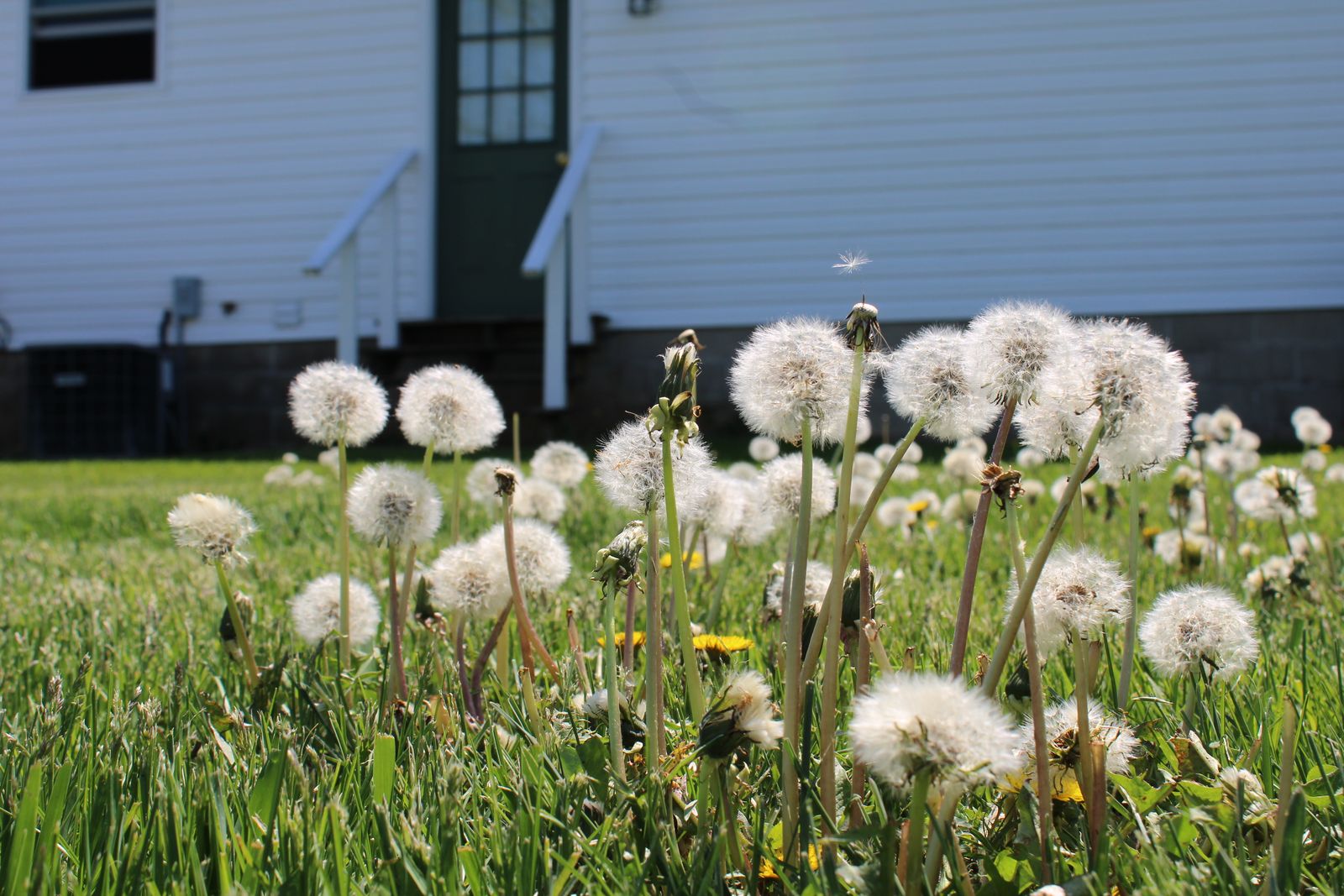
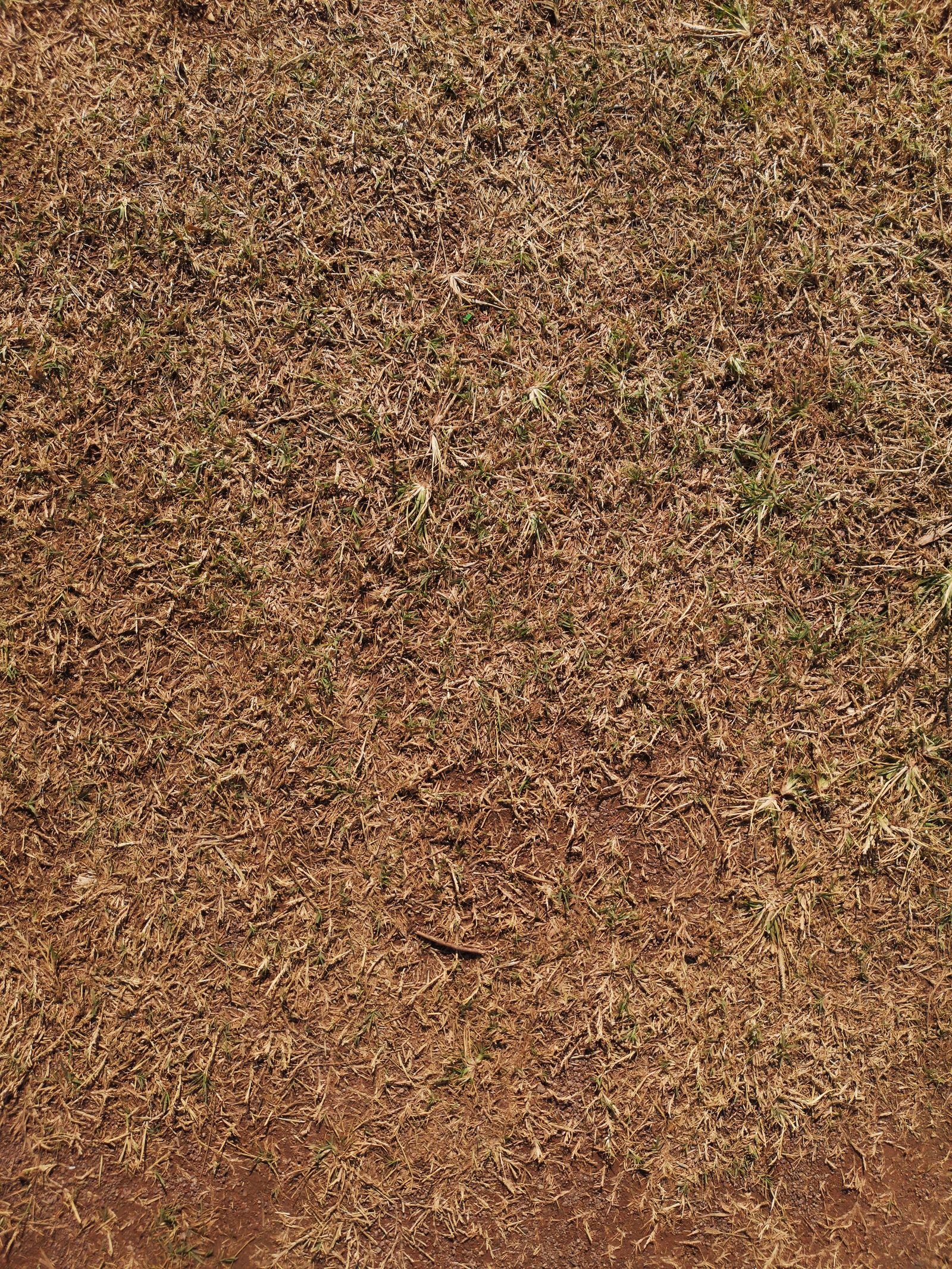
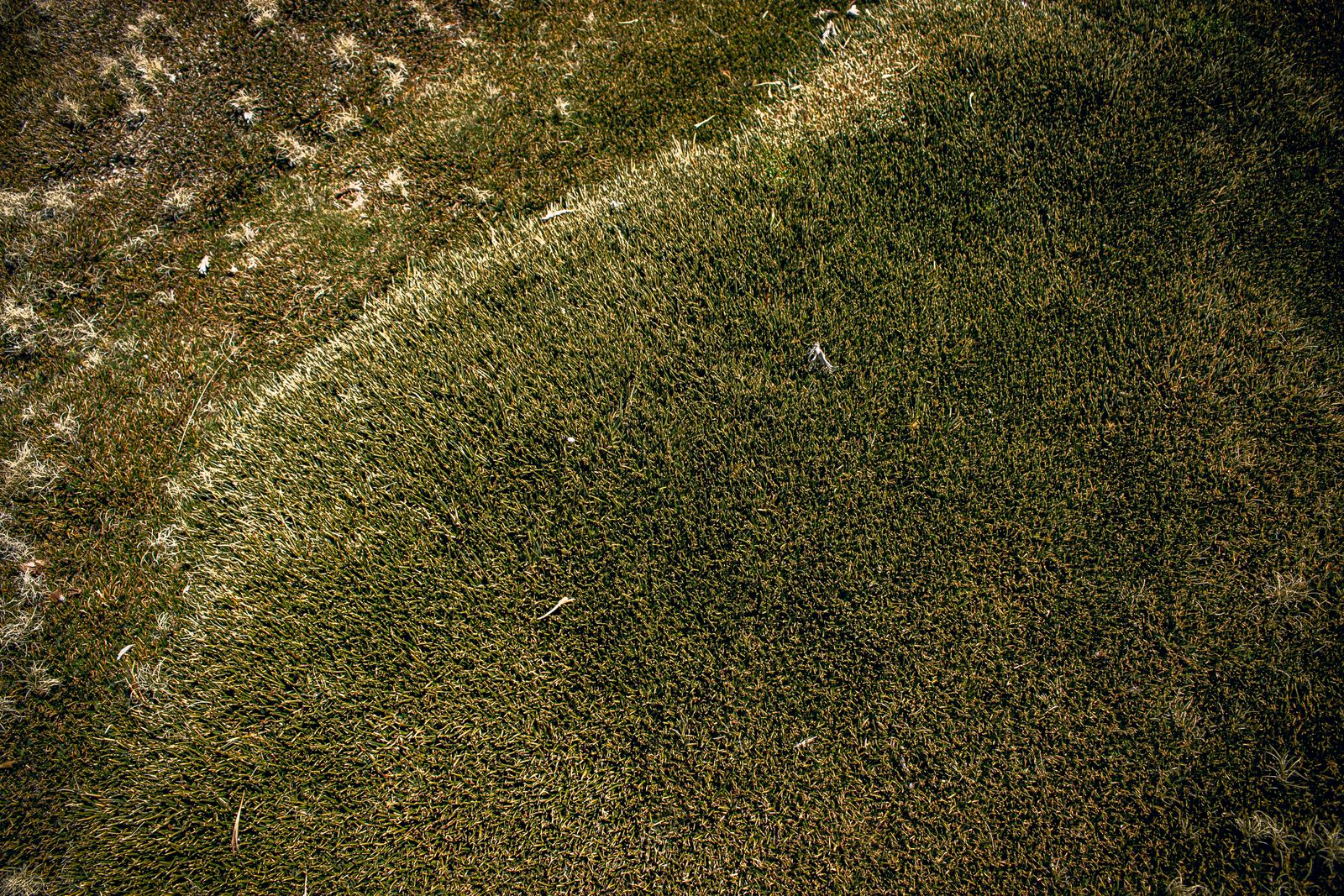
This page does not show a star rating, a review count, or a customer quote for Midwest City. The site does not have a permissioned review to publish here, so this block stays empty on purpose.
Placeholder, until there is a real review. A quote can go here only after the customer allows it, with their name as they want it shown. We will not fill this with a made-up neighbor, a star score, or a count of reviews.
What we can show today are short clips from Oklahoma County yards. They live on the homepage and on the OKC Lawn Rx YouTube channel. Those clips are not captioned as a Midwest City address.
Same public YouTube Shorts as the homepage. Play them here. They are not Midwest City customer reviews.
Follow us on Facebook for more tips.
Name, phone, full street address, and a short note if the lawn is yellow, pale, thin, or weedy. No mowing, aeration or overseeding currently offered. Submitting does not schedule an application.
Prefer to talk now? Call or text 405-526-4481. We’ll review the Midwest City property and what the lawn is doing. Nothing is booked until you agree.
What we need: phone and full street address. A name and a short note about the lawn help. Submitting does not schedule an application.
Form didn’t load? Call us at 405-526-4481.
Or call/text 405-526-4481. Submitting does not book anything.
Yes—if lawn care means weed control and fertilization on a maintained Midwest City lawn. That is the work OKC Lawn Rx does. It is not weekly mowing, edging, aeration, or overseeding.
Call or text 405-526-4481 or send the street address. Nothing is booked until you agree.
Call or text OKC Lawn Rx at 405-526-4481. We are the local lawn-treatment shop for Midwest City and eastern Oklahoma County. Yellow, pale, or thin turf is a common reason homeowners reach us.
Share the street address so we can confirm fit. Nothing is booked until you agree.
Oklahoma heat is an obvious suspect, but uneven watering, compacted clay, curb heat, mowing stress, insects, shade, and thin Bermuda can create yellow or pale areas that look similar from the porch. The shape and timing of the change help narrow the talk.
Note whether the area follows sprinkler coverage, a curb, a slope, or shade, and whether the turf feels dry, soft, or thin. Call or text 405-526-4481 or send the address. Avoid assuming it only needs fertilizer—we can review those clues before any treatment is chosen.
Yes—for maintained residential turf up to about 4 acres. That is larger than many local spray routes are set up to handle. Total deed acreage is not the same as treatable lawn: woods, pasture, ponds, and rough ground usually sit outside the request.
Tell us roughly how much lawn you mow and want treated, plus access notes (gates, soft ground, parked vehicles). We confirm fit from the address and the maintained area—not from acreage alone.
No. Submitting the address does not schedule an application. We review the property and what the lawn is doing, then follow up. Work moves forward only after you agree.
Curb and driveway edges take reflected heat, runoff, foot traffic, and disturbed soil. The middle of the lawn may stay greener while the edge yellows, weeds out, or never thickens after summer.
Call out the edge as its own zone. Note watering reach and whether the strip is mostly weeds or thin grass. That keeps the plan honest about hot edges instead of averaging them into the whole Midwest City yard.
When the worst area is a weedy curb strip, a sprinkler miss, or a compacted path from parking and foot traffic. Those can look like a feeding problem from the porch. Fertilizer will not rebuild a weedy edge or hard clay.
Say whether the pale area follows the curb, a sprinkler arc, or the shade in back. We talk through weed control and feeding after those clues—not before.
Wait if the front strip is still soggy after runoff, if you just applied a store product, or if pets and kids need that compact front yard immediately. Treating wet turf or a yard that already has a recent chemical on it is the wrong next step.
Share access notes, pets, and what you already applied. We confirm timing before anything is booked.
These are typical local per-visit ranges, not a locked price list. A small lawn is about a $50 minimum. About a half acre is about $135–$150. About one acre is about $225–$250. Harder yards cost more. Easier multi-acre yards can be less per acre.
We confirm the final price after we see the property. The same figures are on the homepage and on lawn treatment in Oklahoma City. Nothing is booked until you agree.
No star rating, review count, or customer quote is published on this page. A review can be added only with the customer’s permission. We will not invent one.
Yard clips from Oklahoma County are on the homepage and on YouTube. Those clips are not labeled as a Midwest City address.
We treat lawns across eastern and southeast Oklahoma County. Neighbors often compare lawn care in Midwest City with Choctaw lawn treatment or lawn treatment in Oklahoma City. For weed control and fertilization, start from those pages or the homepage. Then call or text 405-526-4481 or share the address.